Fifteen Dollars and Fully Undefeated: The Secret Psychology of the Thrift Store Power Look
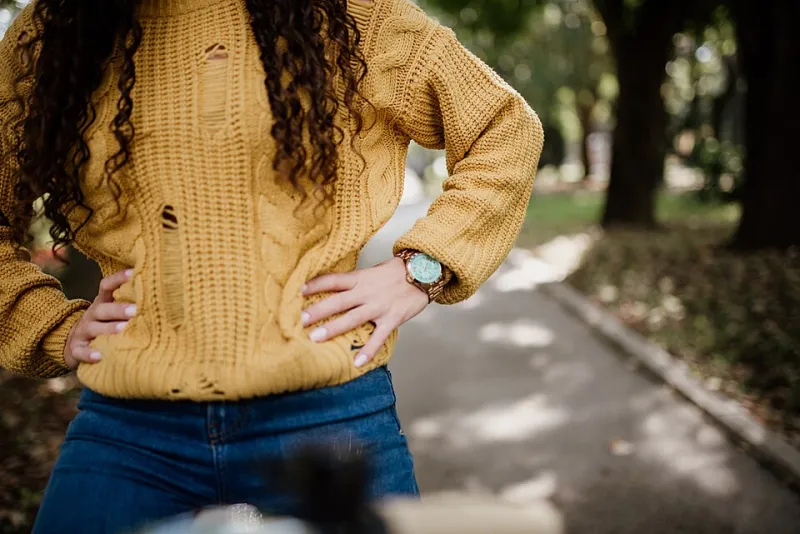
Photo: Shixart1985, CC BY 2.0, via Wikimedia Commons
Let's set the scene. You walk into a party, a work event, a first date — somewhere with stakes. You're wearing a blazer that fits like it was tailored for your exact chaotic energy. The pants are doing something interesting. The shoes are a conversation starter with a slightly unhinged backstory. Someone grabs your arm and says, where did you get that?
You smile. You pause for dramatic effect. And then you say: "Goodwill. Fourteen dollars. I also got a lamp."
That moment — that specific, electric, quietly devastating moment — is what this entire article is about.
The Price Tag Was Never Protecting You
Fashion has spent decades convincing you that confidence lives inside a price tag. That the reason a $400 blouse feels different is because it is different, not just in thread count but in some ineffable moral worth it transfers to your body when you put it on. And look — nobody's saying quality doesn't exist. It does. But what the industry conveniently forgot to mention is that the anxiety attached to expensive clothes is also part of the transaction.
When you spend real money on something, you start protecting it. You wear it carefully. You think about whether the occasion is "worth" it. You dry clean things that maybe just needed a Febreze situation. You perform the outfit instead of inhabiting it.
But when you spent $7 on a silk-adjacent blouse at a Savers in suburban Ohio? You just wear it. You spill on it without a crisis. You tuck it weird and untuck it again and roll the sleeves up and don't think twice. The psychological weight of financial investment is completely gone, and what fills that vacuum is something much more interesting: pure, uncut personal style.
The Thrift Fit Is Already a Flex Before You Leave the House
Here's the thing nobody says out loud enough: knowing you got away with something genius is its own category of confidence. It's not arrogance — it's the quiet satisfaction of someone who solved a puzzle that most people didn't even realize was a puzzle.
When your whole look cost less than a round of drinks, you carry that knowledge like a secret weapon. The blazer that looks like it walked out of a vintage Helmut Lang campaign? Eight dollars, men's section, Goodwill in Tucson. The wide-leg trousers with the perfect break that look suspiciously like they belong on a runway? Eleven bucks at a church rummage sale in Connecticut. Nobody knows. The clothes don't come with receipts stapled to them. The look is the look.
And because you didn't spend your rent money on it, you're not precious about it. You wear it harder. You style it weirder. You let it get lived in. That ease reads as confidence to everyone around you, because it is confidence — the kind that doesn't need external validation because it's already in on the joke.
What Actually Makes a Thrifted Fit Hit
Let's get specific, because "just buy stuff at Goodwill" is not a strategy — it's a starting point.
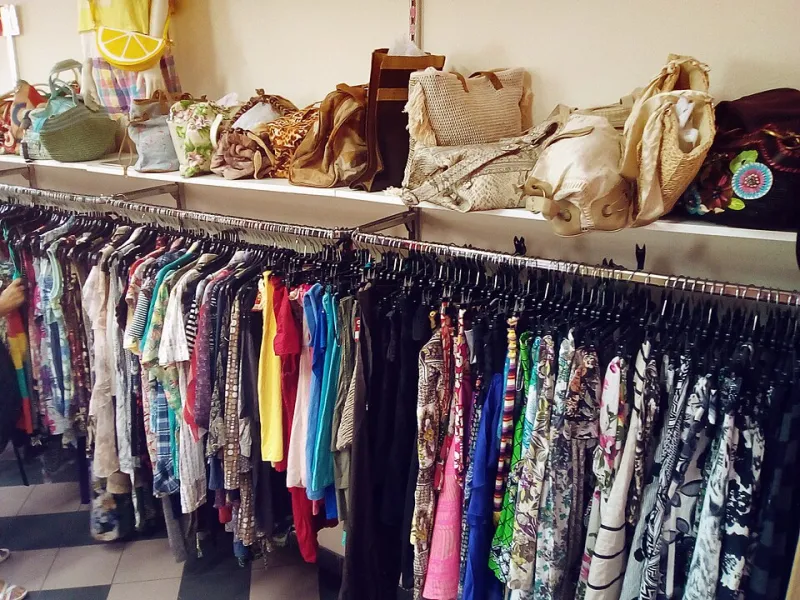
The fits that genuinely stop traffic tend to share a few characteristics. First, proportion play. Thrift stores are full of pieces from eras that weren't afraid of a dramatic silhouette — oversized shoulders, wide legs, billowing sleeves. When you combine those with something more fitted, the contrast does the heavy lifting. An enormous vintage blazer over a simple tank and straight-leg jeans? That's a look that cost maybe $12 total and photographs like a magazine editorial.
Second, unexpected texture mixing. When you're not working with a curated collection from one brand, you end up with a naturally eclectic combination of materials. A velvet jacket over a cotton graphic tee with linen trousers isn't something a stylist planned — it's what happens when you grabbed things that spoke to you off three different racks. That specificity is what makes it feel personal rather than assembled.
Third — and this is the one people sleep on — the weird piece. Every iconic thrift fit has at least one element that shouldn't work but absolutely does. A brocade vest. A men's dress shirt worn as a jacket. A pair of loafers that are technically orthopedic but look strangely editorial with the right trousers. The weird piece is the one that makes someone look at your whole outfit twice, and it's almost always the thing that cost the least.
The Unspoken Rules of Thrift Confidence
There's a particular energy that separates someone who thrifts out of necessity from someone who thrifts as a full lifestyle philosophy, and it's not about money — it's about ownership.
You have to commit to the bit. If you found a floor-length patchwork duster at a Salvation Army in Memphis and it makes you feel like a swamp witch who also runs a successful podcast, you wear it like that is exactly what you are. No apologizing, no explaining, no pre-emptively noting that it was "just a thrift thing" before someone can comment. The outfit doesn't need a disclaimer. The outfit is the statement.
You also have to let go of the idea that thrifted means compromised. Some of the most beautifully constructed garments in circulation right now are sitting on wire hangers in donation bins because the person who owned them didn't know what they had. Vintage wool coats. Silk blouses from the '80s that were made to last forty years and have. Hand-embroidered pieces from cultures and eras that put actual craft into clothing. These things ended up at Goodwill by accident. You finding them is not an accident — it's a skill.
The Real Flex Is the Story
Ultimately, the reason a $15 thrift fit hits different isn't just about saving money or sustainability or even style — though it's all of those things. It's about the story.
Every expensive piece from a fast-fashion brand or even a mid-range retailer has the same story: someone saw it online, clicked add to cart, it arrived in three days. That's not a story. That's a transaction.
But the blazer you found wedged between a Halloween costume and a men's bowling shirt at an estate sale in New Jersey? That has a whole life before you. And now it has yours. You're not just wearing clothes — you're wearing evidence that you're someone who pays attention, who takes risks, who can see potential where other people see a pile of someone else's castoffs.
That's not a $15 outfit. That's a personality trait you can wear on your body.
And honestly? The latte was fine. But the blazer is forever.