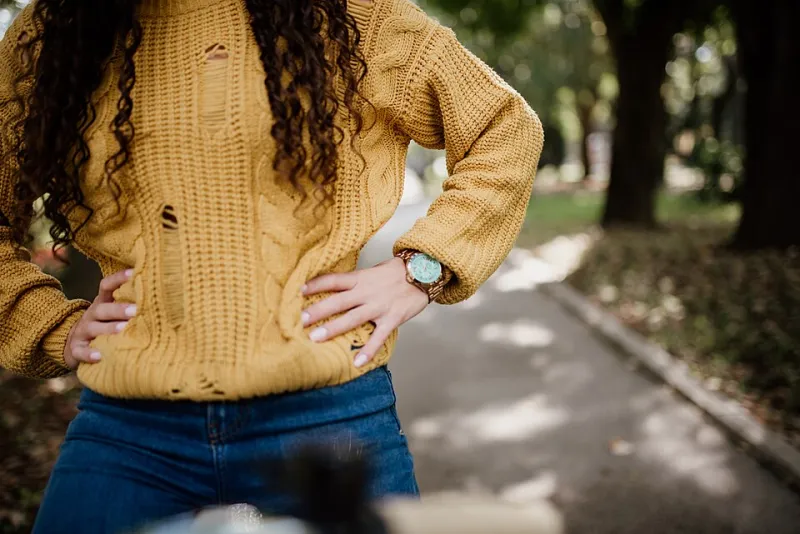
Wrong Event, Right Energy: The Intimidating Power of Dressing Like You Got the Invite Mixed Up
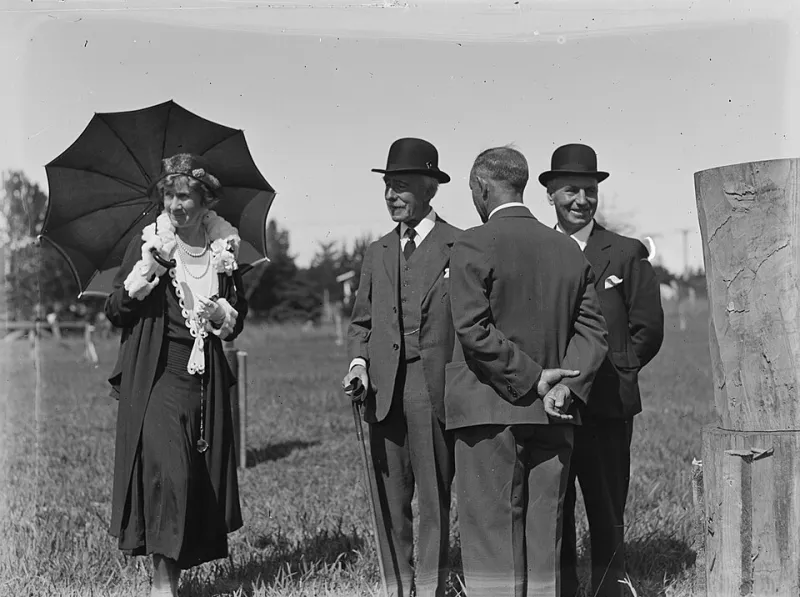
Photo: Collins, Tudor Washington, 1898-1970, photographer, CC BY 4.0, via Wikimedia Commons
Somewhere right now, a person is walking into a SoulCycle class in a full tuxedo jacket, biker shorts, and court shoes, and every single person in that room is experiencing a private crisis about their own outfit. That person is not confused. That person is not lost. That person is operating at a frequency the rest of the class cannot access, and they are absolutely aware of it.
This is the accidental costume effect, and it is one of the most sophisticated moves in the entire fashion arsenal.
The Unspoken Dress Code Contract (And Why You Should Shred It)
Every social occasion in America comes with an invisible dress code — a set of unspoken agreements about what category of clothing is appropriate, what signals you're supposed to send, and how much effort you're expected to perform. Brunch calls for something casual-cute. The gym calls for activewear. A wedding calls for something that respects the couple without upstaging them. A work meeting calls for something that says I am a professional who takes this seriously.
These contracts are real, they are deeply internalized, and almost nobody questions them.
But here's the thing about unspoken rules: they only have power over people who agree to play by them. The moment you walk into brunch in a floor-length gown — not ironically, not apologetically, but with the complete calm of someone who made a deliberate and considered choice — you have voided the contract. And everyone else at that table is suddenly aware that the contract existed, which means they're aware that they've been following it without ever deciding to.
That awareness is power. And it's all yours.
Confusion Is the Point
Let's be honest about what's actually happening when you mix occasion codes in a way that makes people do a double-take. You are creating a gap between expectation and reality, and that gap is where all the interesting stuff lives.
When someone walks into a formal event in athletic gear — and we're not talking about a sneaker-with-suit situation that's been thoroughly normalized at this point, we're talking full track pants, compression leggings, a structured blazer, and a silk blouse — the people around them go through a very specific sequence of reactions. First: confusion. Second: the desperate search for context (are they an athlete? is this a theme? did I miss something?). Third: the slow, uncomfortable realization that there is no context. This person just made a choice. And fourth — and this is the important one — a kind of involuntary respect, because it takes genuine confidence to create that much confusion without flinching.
Fashion that demands explanation is fashion that commands attention. And fashion that commands attention without asking for it? That's the whole game.
The Greatest Crossover Events in Recent Memory
The accidental costume effect has been deployed — consciously or not — by some of the most memorable style moments of the last decade.
The ballgown-at-the-airport look has become its own genre, and every time someone does it, the internet loses its collective mind. Why? Because airports have one of the most rigidly defined casual dress codes in American life (athleisure, hoodies, the universal airport uniform of comfort and defeat), and a floor-length gown in that environment creates a juxtaposition so jarring it reads as performance art. It's not a mistake. It's a statement about the absurdity of dress codes themselves.
The formal-wear-at-a-sports-event look is another classic. There's something about a person in a three-piece suit at a baseball game — eating a hot dog, completely unbothered — that is deeply, almost philosophically funny. And funny is powerful. Funny makes you memorable. Memorable is the entire point of getting dressed.
Then there's the costume piece in a professional setting: the Renaissance faire sleeve worn with a blazer and tailored trousers, the theatrical hat in a boardroom, the medieval-adjacent boot in a corporate hallway. These moves work because they don't ask permission. They simply exist, and they dare the room to say something.
How to Execute Without Looking Like You Got Dressed in the Dark
There's a meaningful difference between the accidental costume effect done with intention and just... wearing the wrong thing because you didn't plan ahead. The line between genius and chaos is commitment, and commitment is communicated through everything that isn't the obvious category-crossing piece.
The rule — and yes, this is a rule, which is funny given everything — is that one element can be completely wrong for the occasion, but everything else has to be clearly, deliberately right. If you're wearing a ballgown to brunch, your hair, your accessories, and your attitude need to say I woke up and chose this. If you're wearing athletic gear to a formal event, the cut and quality of that athletic gear needs to be immaculate. You're not confused. You're making a point.
The other key is to never, ever explain yourself unless directly asked, and even then, keep it brief. "I like it" is a complete sentence. "I felt like it" is a full justification. The moment you over-explain, you reveal that you're seeking approval for the choice, which collapses the whole effect. The accidental costume effect only works when it's obvious that your outfit is not up for discussion.
The Intimidation Factor Is Real
Here's what nobody talks about when they talk about occasion-crossing: it is genuinely intimidating to be around someone who is dressed completely wrong for the event and completely unbothered by it.
Because what it signals, at a very deep level, is that this person does not need the social validation of dressing correctly. They are not here to be approved of. They are here to exist on their own terms, and if those terms involve a sequined cape at a Tuesday morning coffee meeting, then that is simply the reality of the situation and you are welcome to adjust accordingly.
That kind of self-possession — the kind that says I considered what was expected and made a different choice — is genuinely rare. It reads as confidence even when it's actually just stubbornness, which means it works regardless of your internal state. Fake it in a tuxedo jacket at the gym and the room will never know you're terrified.
Dress for the Wrong Event. Own Every Room.
The occasion-appropriate outfit is a negotiation with other people's comfort. It says: I know what you expected, and I delivered it, because I wanted you to feel at ease. Which is lovely! Genuinely. There is a time and a place for that kind of social generosity.
But there is also a time — many times, actually, most times if you're living right — to walk into a room dressed for somewhere else entirely and let the resulting confusion do all the work.
You didn't get the invite mixed up. You just decided the invite was a suggestion.
And suggestions, darling, are for people who are still asking for permission.