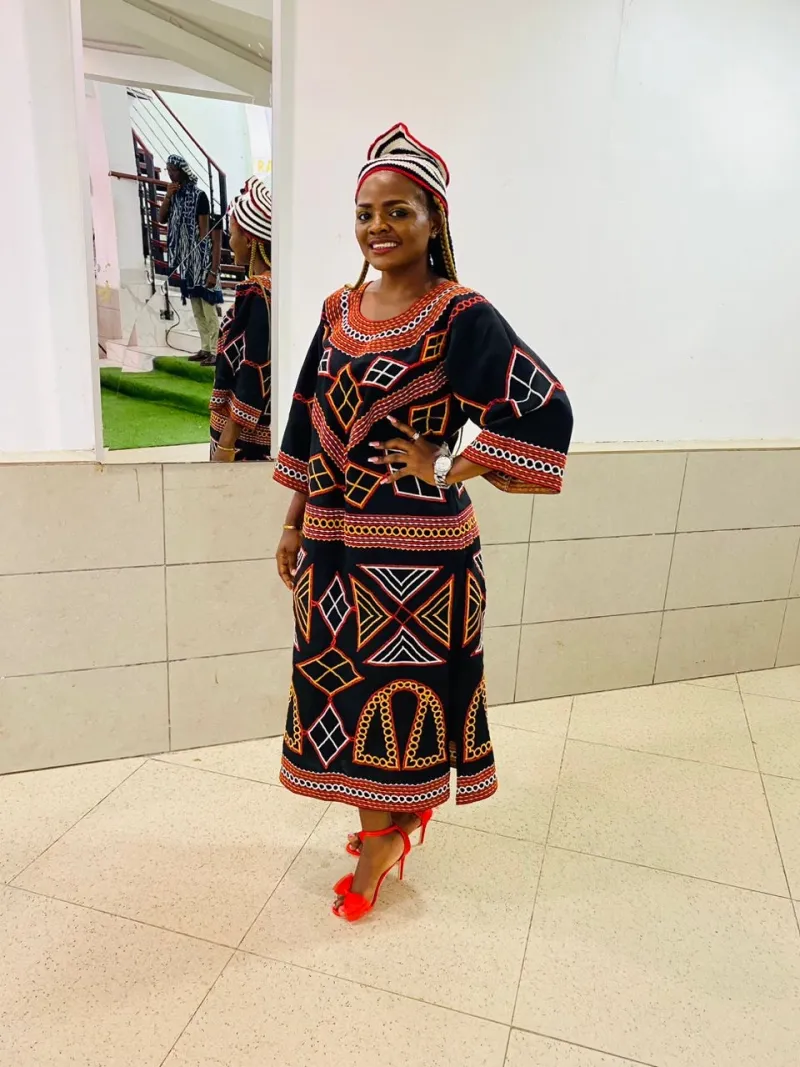
The Audacity Advantage: How Wearing Weird Stuff Like You Invented It Shuts Down Every Room

Photo: confident woman thrift store vintage outfit bold fashion street style, via 64.media.tumblr.com
Let's talk about the most powerful accessory you are not buying at any thrift store, borrowing from a friend, or finding in the clearance bin at TJ Maxx. It costs nothing. It takes up zero closet space. And it will do more for your outfit than a designer label, a perfect fit, or a viral Pinterest board ever could.
It's called acting like you meant it.
This is not motivational poster fluff. This is a documented, observable, genuinely unhinged psychological phenomenon that fashion people have been exploiting for decades while the rest of the world stood in their dressing rooms wondering if the proportions were "off." Spoiler: the proportions were fine. The conviction was missing.
The Science of Looking Like You Know Something Everyone Else Doesn't
Here's what's actually happening when someone walks into a room in a floor-length faux fur coat over a mechanic's jumpsuit and gets compliments instead of concerned looks: the human brain is lazy. Deeply, profoundly, embarrassingly lazy. When your brain encounters something it doesn't immediately understand — say, a person wearing a 1987 prom dress with steel-toed boots and a trucker hat — it has two options. It can decide that person made a mistake. Or it can decide that person knows something it doesn't.
The determining factor? Confidence. Specifically, the physical, postural, energetic broadcast of I am not confused, you are confused.
Psychologists call it the "halo effect" — the tendency to assign positive traits to people who project certainty. Fashion people just call it having your walk on point. Either way, the mechanism is identical: when you move through the world like your outfit is the correct answer and everyone else is still working on the problem, people believe you.
Real People, Real Chaos, Zero Apologies
This isn't theoretical. Consider the woman spotted at a Brooklyn flea market last summer in a men's XXL blazer worn as a dress, knee-high rain boots, and a bolo tie. Multiple strangers stopped her to ask where she got "the look." She'd found every single piece in a Goodwill bag-sale bin for a combined total of under six dollars. The look was not curated. The walk was.
Or the guy at a Chicago office holiday party who showed up in a vintage velvet tuxedo jacket, cargo shorts, and Birkenstocks in December. Not because he planned a statement — because he ran out of clean pants and grabbed what he had. He spent the entire evening fielding questions about whether he was a stylist. He is a project manager named Dave.
Dave's secret? He walked in, got a drink, and acted like cargo shorts in December were exactly where fashion was headed. Nobody questioned Dave. They followed Dave.
The Thrift Store Variable Nobody Talks About
Secondhand shopping adds a specific and delicious layer to all of this. When you pull something genuinely strange from a thrift rack — a sequined Western shirt, a structured blazer in a color that doesn't exist in nature, pants with a cut that predates the concept of pants — you are automatically operating outside the reference points most people use to judge clothing.
There's no price tag to anchor expectations. No brand story to decode. No Instagram campaign to contextualize it. It's just a thing, on a person, existing in the world. And in that vacuum, the person wearing it gets to write the entire narrative.
This is the thrift store confidence glitch. The item is unplaceable, which means it's unjudgeable by normal metrics, which means the only data point anyone has is you — how you carry it, how you commit to it, whether you flinch when someone looks twice.
Don't flinch.
Practical Tactics for Building the Unshakeable Thing
Okay, but what if you are a flincher? What if your natural state is apologetic eye contact and sentences that start with "I know this is kind of weird but"? Good news: conviction is a skill, not a personality trait. It can be trained.
Wear it at home first. This sounds ridiculous but it works. Put on the outfit. Make coffee in the outfit. Do a load of laundry in the outfit. By the time you leave the house, your nervous system has already processed the experience of existing in that combination of fabrics and stopped treating it like an emergency.
Kill the explanation reflex. The single fastest way to undermine an outfit is to narrate it before anyone asks. "I found this at Goodwill" is not necessary information. "I know it's a lot" is an invitation to agree. Say nothing. Let the outfit be a statement, not a confession.
Pick one thing to be obsessed with. When you genuinely love one element of what you're wearing — the color, the texture, the absurd collar situation — that enthusiasm is contagious and legible. People can feel the difference between someone who put on clothes and someone who chose clothes. Love something about what you're wearing and let it show.
Practice the neutral face. Not a smirk, not a grimace — just the calm, settled expression of a person who has made a decision and moved on. This is the face that says I am not performing for you, I am simply existing, which is the most powerful fashion statement available to anyone at any price point.
Accept the stares as applause. This one's a reframe, but it matters. When someone looks at you twice, your brain will try to interpret that as judgment. Redirect it. They looked twice because you were interesting. Being interesting is the whole point.
The Bottom Line on Bombing Beautifully
Fashion has spent decades selling the idea that the right clothes will give you confidence. That's backwards. Confidence is what makes clothes right. The thrift rack, the clearance bin, the back of your own closet — all of it is full of potential outfits that are one committed walk away from being iconic.
You don't need a stylist. You don't need a budget. You need the audacity to wear the thing and act like you invented it, because honestly? You kind of did.
Dave knows. Dave is thriving.